
Why Do Electric Cars Feel Heavier to Drive Than Petrol Cars?
Electric cars often weigh significantly more than their petrol counterparts, and that extra mass changes how they drive in ways most buyers don’t expect.
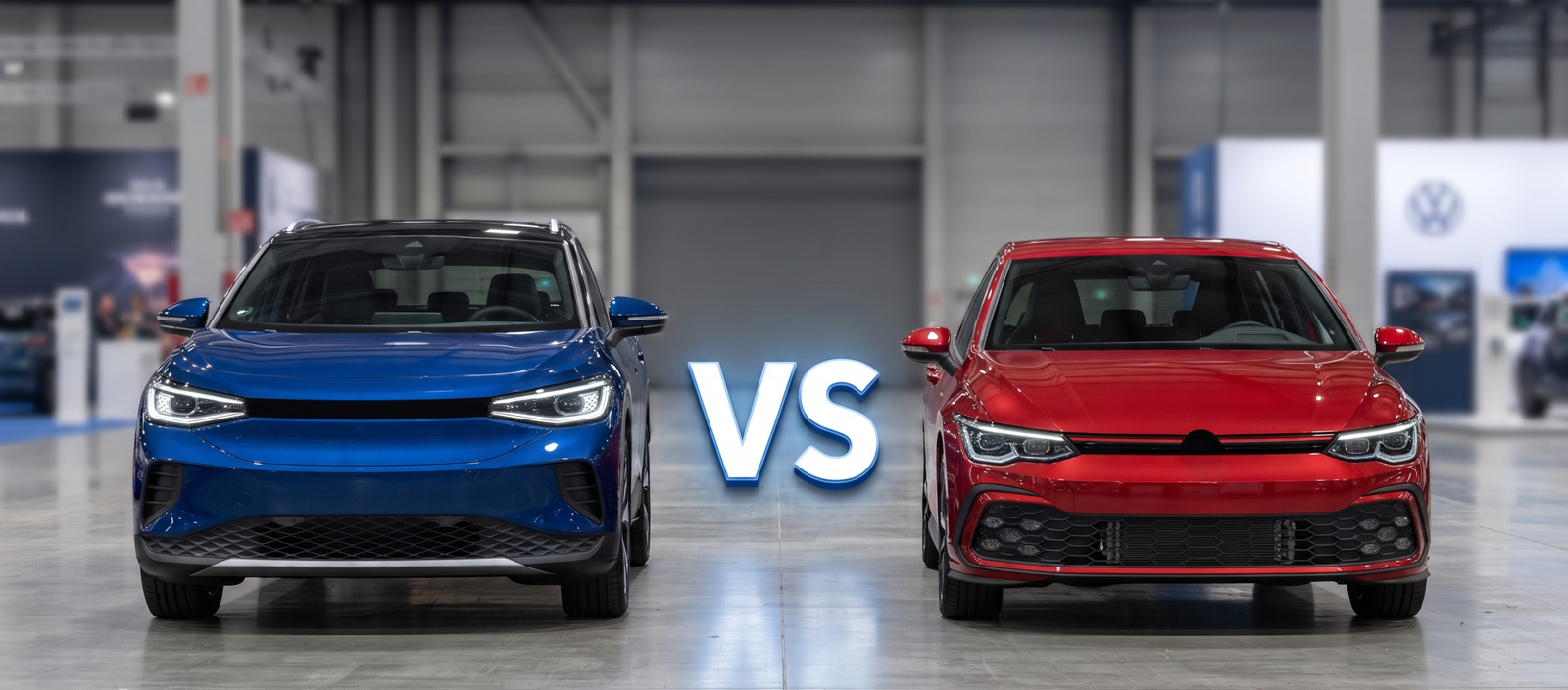
Step out of a petrol hatchback and into its electric equivalent, and something feels different almost immediately — not just quieter, but planted in a way that’s hard to place. That feeling isn’t in your head. Electric cars are, on average, several hundred kilograms heavier than the petrol or diesel version of the same car, and that weight fundamentally changes how the car behaves.
Where All That Extra Weight Comes From
The single biggest culprit is the battery pack. A typical EV battery weighs anywhere from 300 kg to over 800 kg depending on capacity, and it has to sit somewhere — usually as a large, flat unit running under the entire floor of the car. Compare that to a petrol engine and fuel tank, which together rarely exceed 200-250 kg, and the gap becomes obvious. A Tesla Model 3, for instance, weighs roughly 1.8 tonnes, while a similarly sized petrol sedan often comes in 300-400 kg lighter.
It’s not just the battery, either. Electric motors themselves are usually lighter than combustion engines, but EVs typically need reinforced chassis structures to support the battery’s weight and protect it in a crash, which adds back some of that saved weight elsewhere. The net result across nearly every EV on the market is a heavier vehicle than its combustion equivalent, sometimes by 15-20% of total kerb weight.
Manufacturers aren’t blind to this — a lot of EV engineering effort goes into offsetting weight with aluminum body panels, weight-optimized suspension components, and battery casings designed to also serve as structural chassis elements. But even with all that, most EVs still land heavier than a comparable petrol car once everything is accounted for.
How the Weight Actually Changes the Way It Drives
Here’s where it gets interesting: that extra weight isn’t purely a downside. Because the battery sits low and flat along the floor, EVs typically have a much lower center of gravity than petrol cars often lower than even sports cars. This makes them feel remarkably planted and resistant to body roll through corners, despite weighing more overall. It’s part of why EVs are frequently praised for feeling “glued to the road” even when they’re objectively heavier machines.
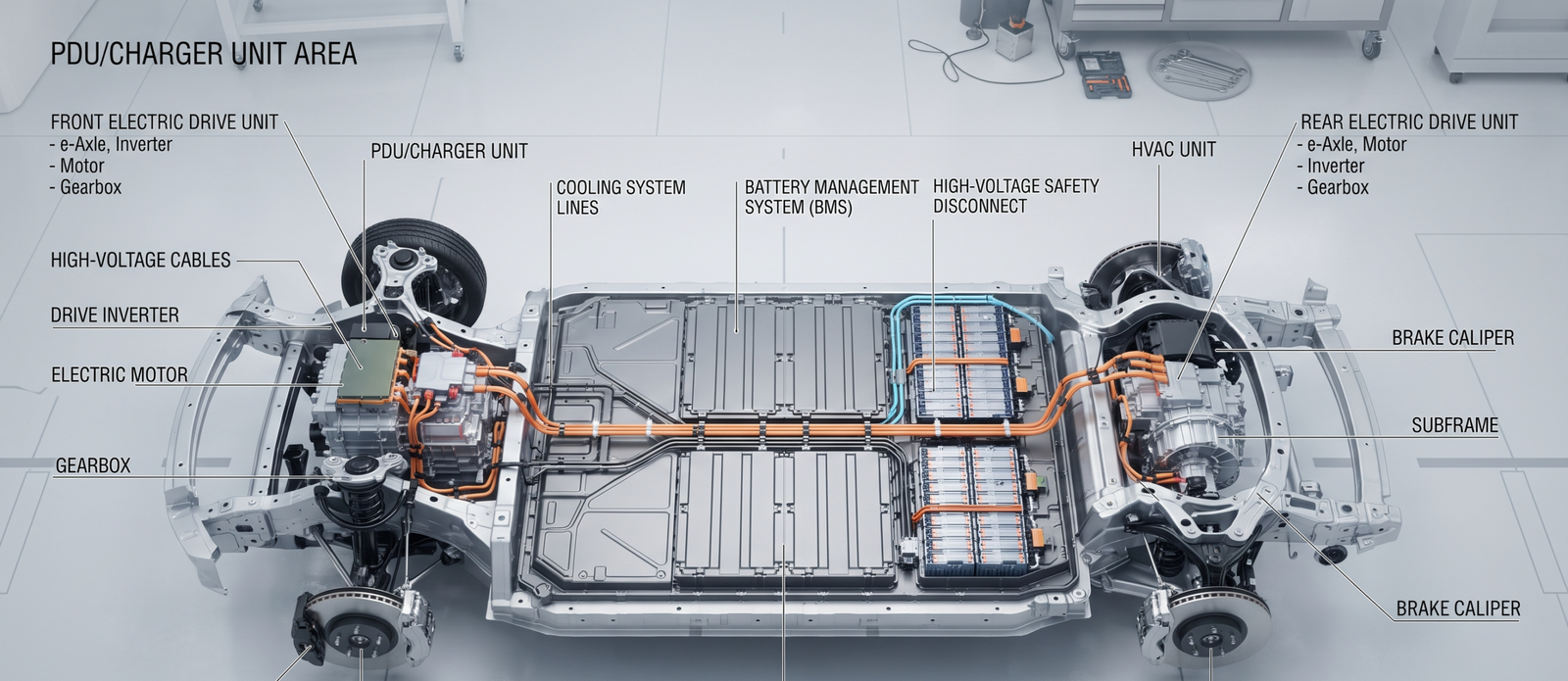
The trade-off shows up in a few specific places. Braking distances tend to be longer in EVs compared to similarly sized petrol cars, purely because there’s more mass to slow down regenerative braking helps offset this somewhat, but physics still applies. Tyre wear is also typically faster on EVs, both because of the added weight and because of the instant torque delivery that puts more stress on contact patches during acceleration. And in tight, low-speed maneuvering like parking, that extra mass can make the car feel less nimble, even if the steering itself is well-tuned.
What This Actually Means for Everyday Driving
- EV battery packs typically weigh 300-800 kg, making most EVs 15-20% heavier than their petrol equivalent
- Lower center of gravity from floor-mounted batteries improves cornering stability despite the added weight
- Braking distances are often longer due to increased mass
- Lower center of gravity from floor-mounted batteries improves cornering stability despite the added weight
“The lower center of gravity from battery placement genuinely transforms handling dynamics, even in vehicles that are objectively much heavier than their combustion counterparts.” — common consensus among automotive engineers on EV chassis design
Verdict
The extra weight in electric cars isn’t a flaw so much as a trade-off — you give up a bit of tyre life and outright agility in exchange for genuinely planted, confident handling that most petrol cars can’t match at the same price point. Understanding why that weight is there, and where it actually helps versus where it costs you, makes it a lot easier to know what you’re getting into when you make the switch.